



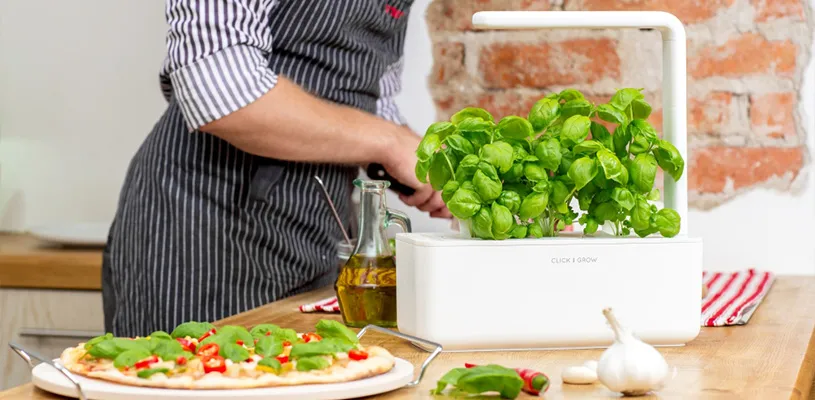
A pot of basil or coriander doesn’t cost a fortune at the grocery store. The problem is what happens afterwards. You use a few leaves for dinner, put the pot on the windowsill, and a few days later it looks like it has given up on life.
Growing your own herbs is therefore about more than the price of a pot. Herbs that can be harvested multiple times, are used often, and otherwise spoil easily can give much more back from a home growing setup. Exact retail prices also vary from store to store and season to season, so instead of pretending there is a single clear winner, we can look at which herbs combine high usefulness with strong harvest potential.
Basil - the obvious choice
Basil is almost the textbook example of an herb that is nice to have growing at home. You can pick exactly as much as you need for pasta, pizza, or pesto, and let the rest keep growing instead of trying to save half a pack in the fridge.
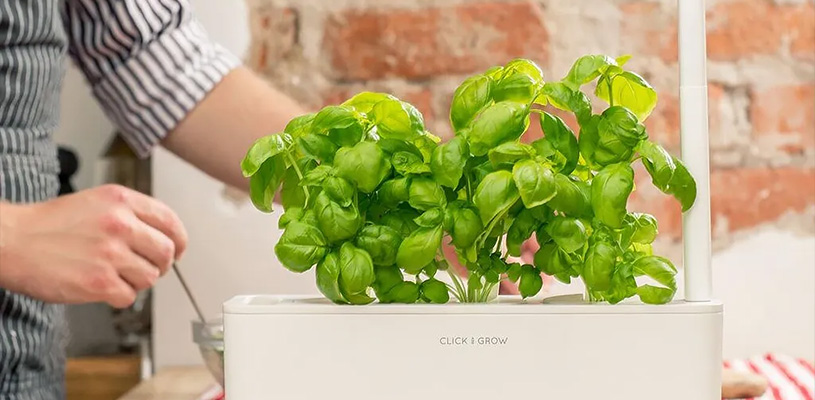
Click & Grow says basil starts sprouting after about 7 to 14 days and can be harvested from around week 5 to 12. By harvesting gradually, the plant can continue producing. For anyone who uses basil often, it is therefore one of the clearest candidates for home growing.
Coriander - perfect if you belong to the right half of the population
Coriander is a little more polarizing. For some, it belongs on just about everything, while others think it tastes like dish soap. If you’re in the first group, it’s a practical herb to grow at home because recipes often call for only a small amount.
Click & Grow says it takes about 7 to 14 days to germinate, with harvest from around week 5 to 8. Both stems and leaves are edible, which makes it possible to actually use a large part of the plant. Tacos, curries, and Asian dishes also make it easy to find uses for it.
Thyme - a little goes a long way
Thyme is almost the opposite of coriander. You rarely need a mountain of it, but a few sprigs can make a big difference in stews, sauces, roasted vegetables, and meat dishes. That makes having a living plant especially practical, since you can harvest a little at a time.
Click & Grow lists harvest time from around week 5 to 12 and recommends gradual harvesting for continued growth. Thyme also dries well, and Click & Grow notes that the flavor becomes more concentrated when the herb is dried. So anything not used fresh doesn’t have to go to waste.
Parsley - the everyday hero
Parsley may not be the most exciting member of the herb shelf, but it is probably one of the most useful. It works in sauces, marinades, salads, potato dishes, fish, and as a topping for dishes that need a bit of color and fresh flavor.
Here too, Click & Grow says germination takes about 7 to 14 days, with harvest from week 5 to 12. Gradual harvesting is recommended to get more out of the plant. Precisely because parsley works in so many different dishes, the risk of it sitting unused is quite low.
Rosemary - slow but long-lasting
Rosemary requires a little more patience. Click & Grow says it takes 14 to 21 days to germinate and has a harvest window of about 7 to 21 weeks. That makes it slower than, for example, coriander, but at the same time you can enjoy the plant for much longer.
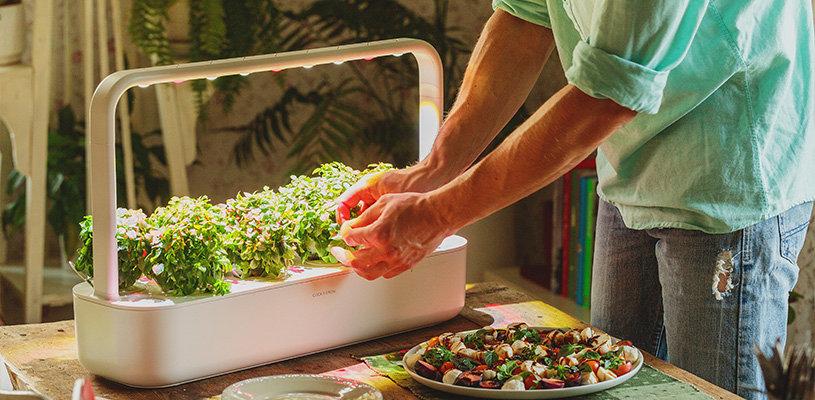
It also works well fresh and dried, and is great with potatoes, bread, stews, and grilled food. For someone who uses rosemary regularly, it can therefore deliver a lot over time, even if it isn’t the fastest herb to get started.
So which gives you the most for your money?
If we weigh how often the herbs are used, the ability to harvest them multiple times, and how easy it is to take exactly the amount needed, I would start with basil, parsley, and thyme. Coriander is a strong contender for anyone who loves the flavor, while rosemary is a slower but longer-lasting option.
The real gain is less waste. Instead of buying more than you need, you can harvest a few leaves or sprigs right when you’re cooking. And there is something very satisfying about realizing that the ingredient you forgot to buy is actually growing on the kitchen counter.
FAQ
Which herb is easiest to start growing at home?
Basil is a good option because it is used in many dishes and can be harvested gradually. In a controlled growing system, both water, nutrients, and light are easier to manage.
How long does it take to grow basil?
Click & Grow says basil normally germinates after about 7 to 14 days and can be harvested from around week 5 to 12. Results may vary depending on growing conditions.
Which herb can grow the longest?
Among the examples in the article, rosemary stands out. Click & Grow lists a harvest window of about 7 to 21 weeks, while many other herbs are recommended for a shorter period.
Can I harvest the same herb plant multiple times?
Yes, many herbs do well with gradual harvesting. Click & Grow recommends this for basil, coriander, thyme, and parsley, among others. How long the plant continues producing varies by species.
Is it cheaper to grow herbs yourself?
Not automatically. Equipment, plants, and electricity all cost money too. The benefit lies more in being able to harvest multiple times, take exactly what you need, and reduce the amount of fresh herbs that go bad.